

I was moving some piles of junk in a storage room and came across a 1934 U.S. Public Works Administration book on Mississippi Valley public works projects (Report of the Mississippi Valley Committee of the Public Works Administration, October 1, 1934). The book is full of maps and other information graphics influenced by Otto Neurath, Gerd Arntz, and Marie Reidemeister’s picture language, isotype.
I always thought isotype had a great look to it. Its context, in Vienna Circle logical positivism, is a bit wonky, and the idea that symbols – if designed carefully enough – could be “universally communicable” across all cultural and social differences, is merely the dream of those born with a peculiar neurology. Nevertheless, the isotype “look” is cool in a retro sort of way, and it has certainly influenced the current spare design ethos in cartography.
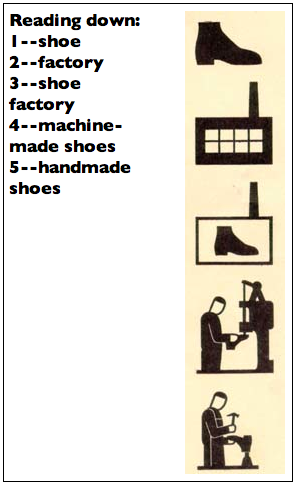
Some annotated examples of the isotype “language” from a 1937 article by Neurath:


The Gerd Arntz Web Archive is a spectacular collection of thousands of isotype symbols designed by Arntz. All seem to be free to use. (symbols are copyrighted by Pictoright – thanks to Jonathan Hunt for pointing this out). The site also has a breif biography of Arntz.


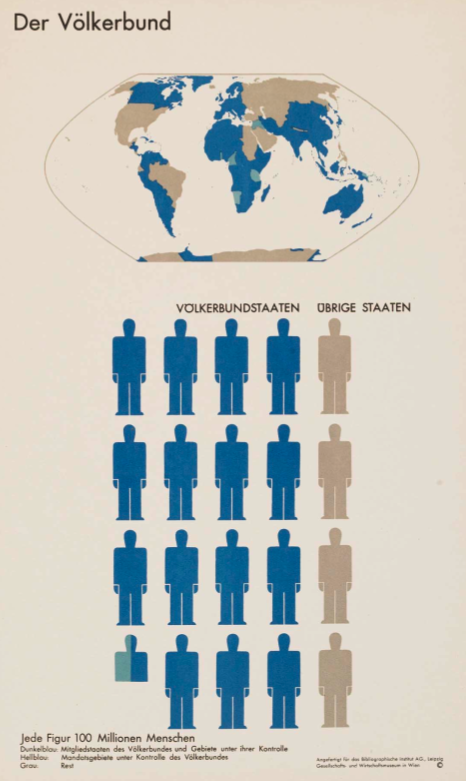
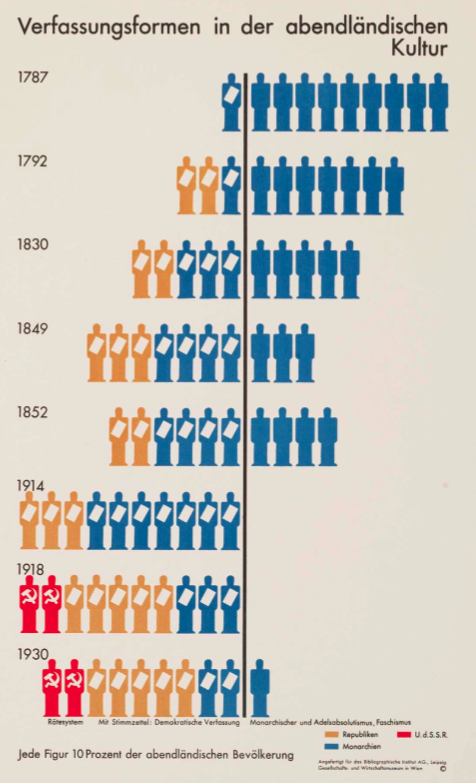
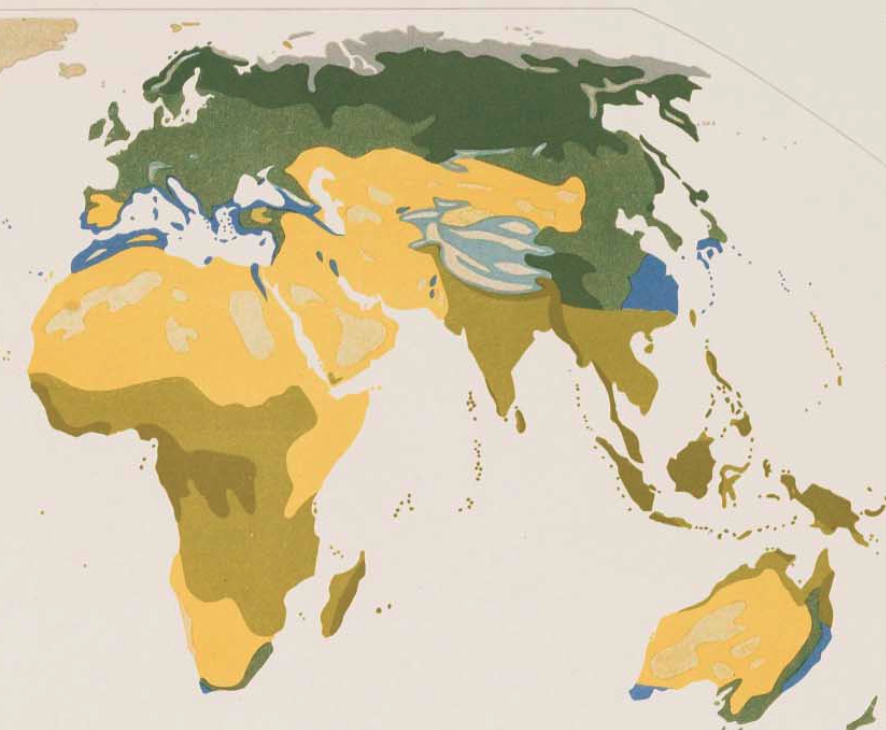
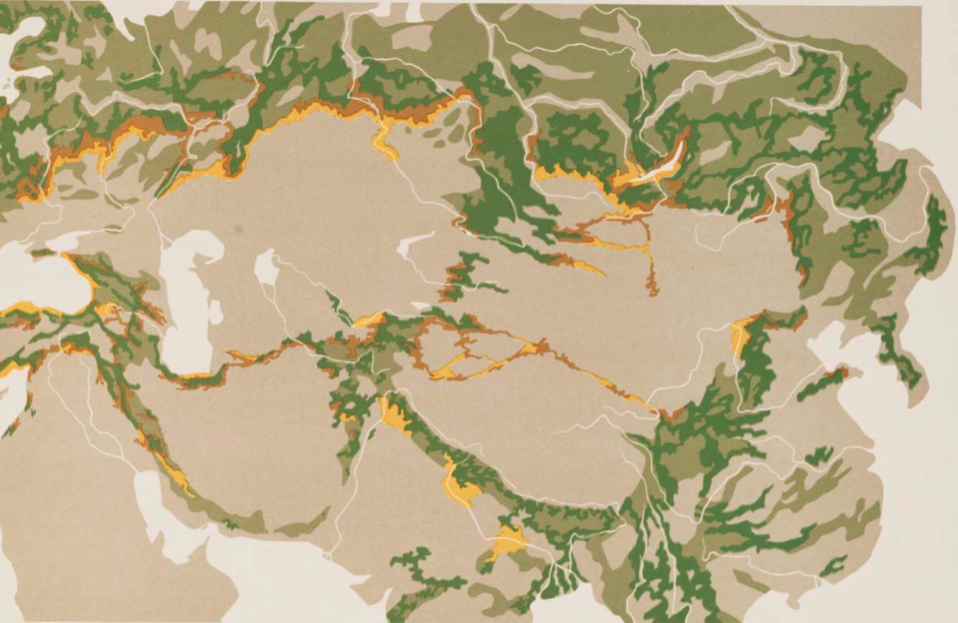
In casting about the internets, I was gladdened to find someone had scanned the isotype classic, Atlas of Gesellschaft und Wirtschaft (1930, 14+mb PDF). As far as I know the atlas was printed (on sheets) in limited numbers and has never been easy to find. Sybilla Nikolow discusses the atlas in her article “Society and Economy: An Atlas in Otto Neurath’s Pictorial Statistics from 1930.” (PDF)
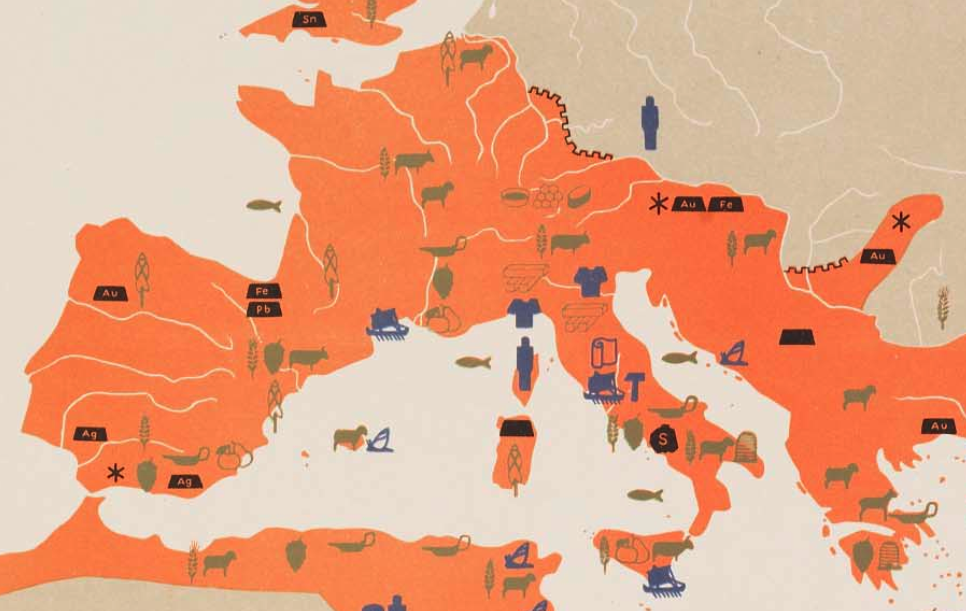
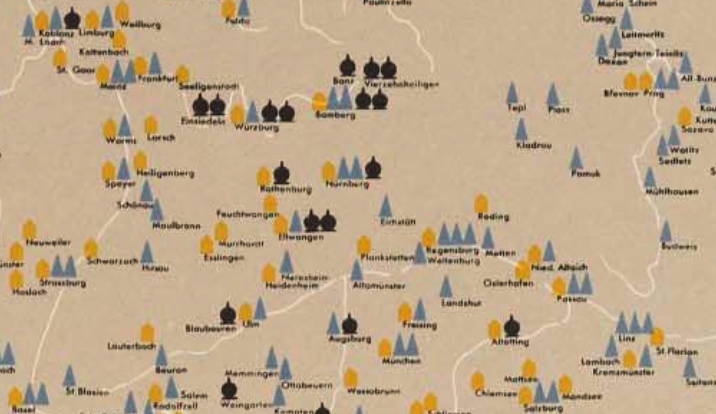
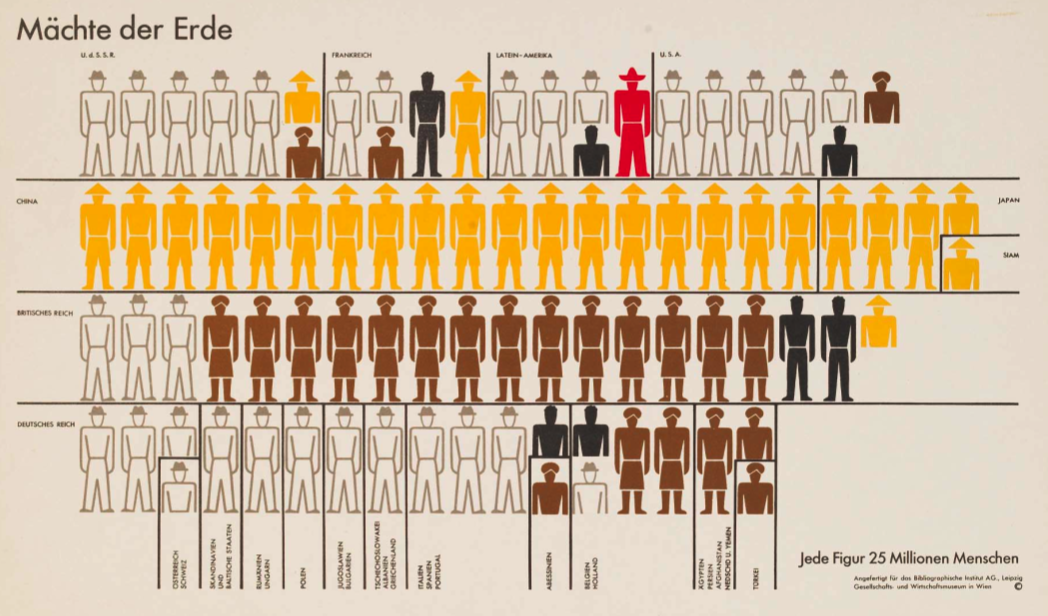
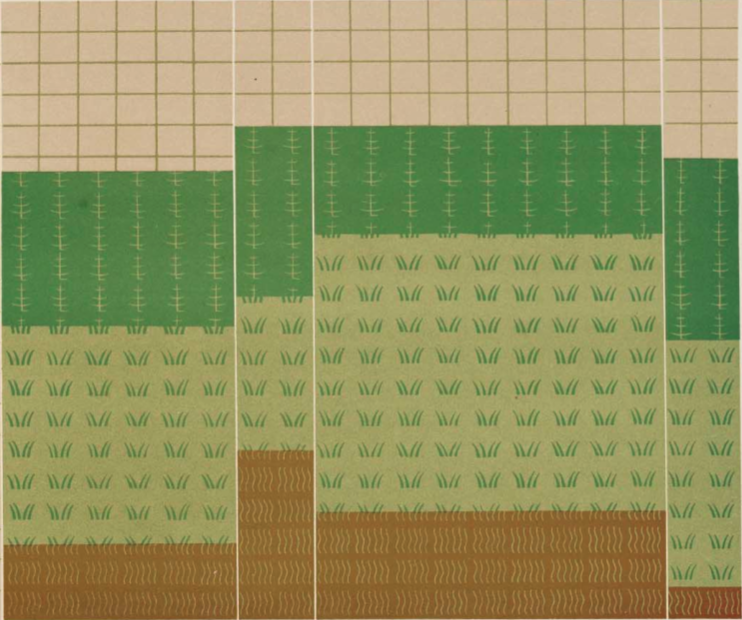
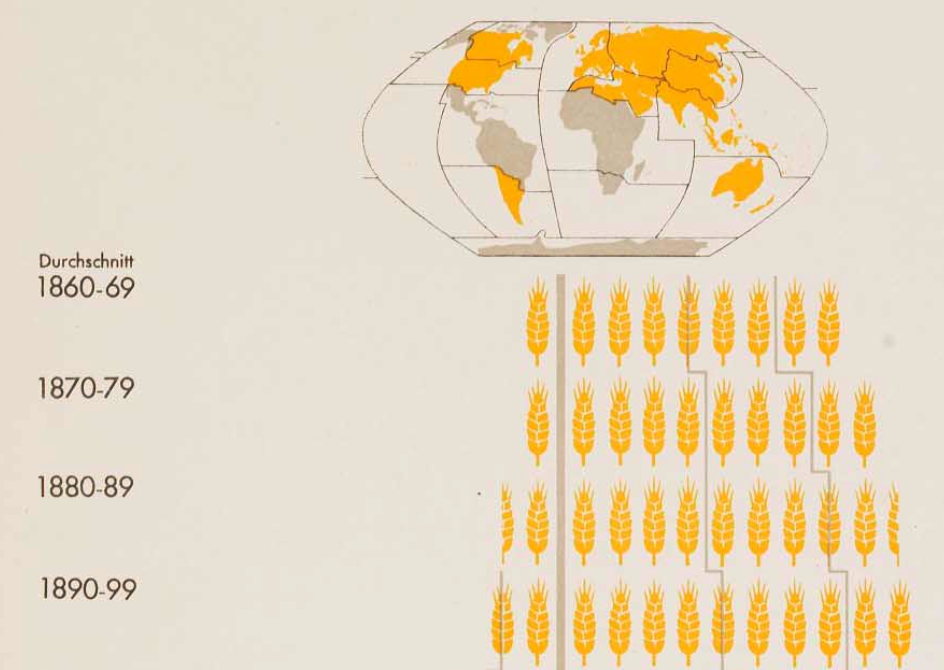
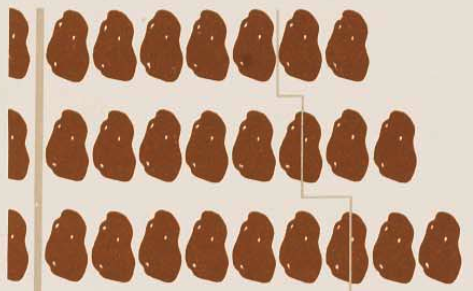
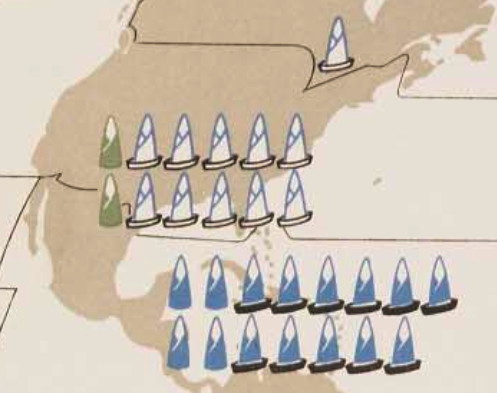
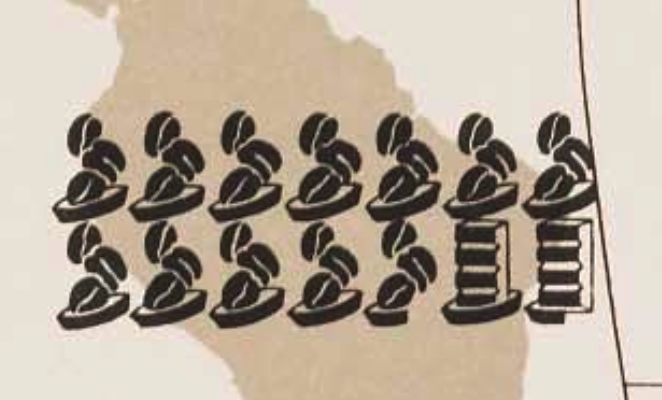
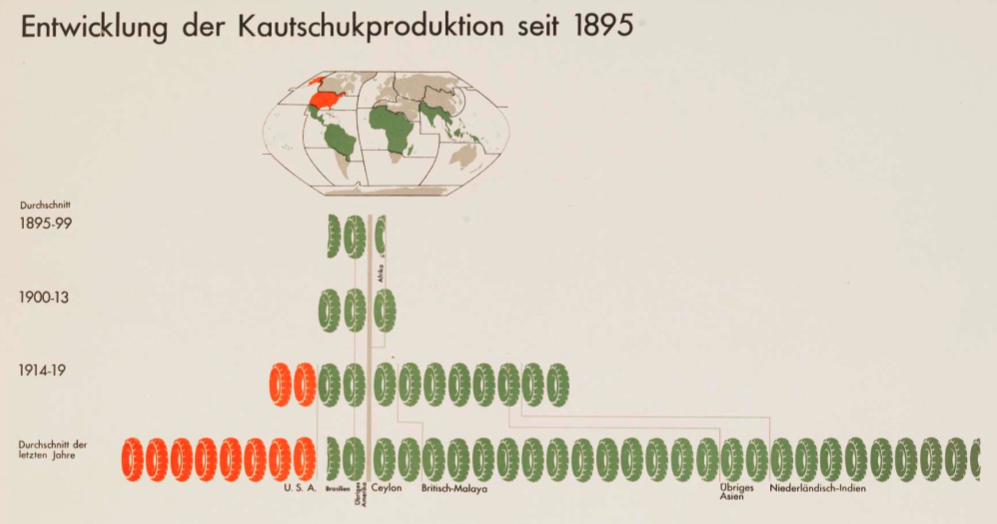
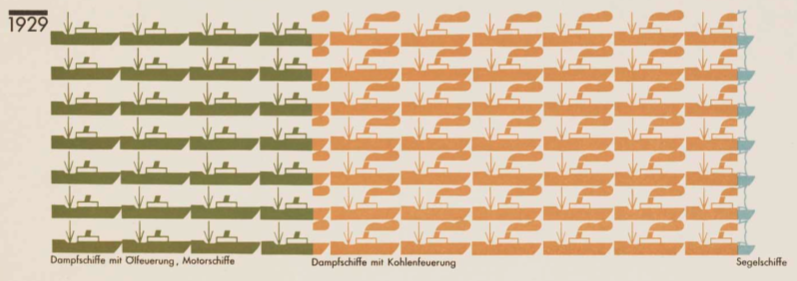
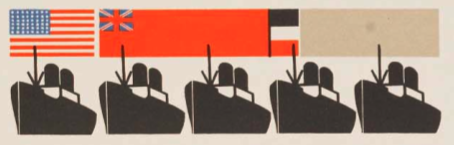
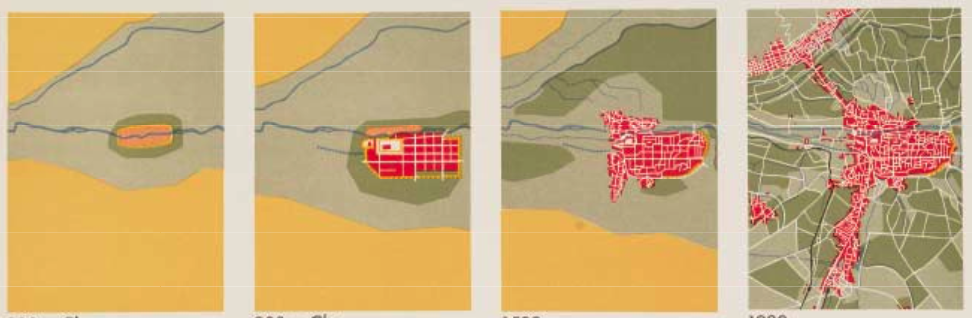
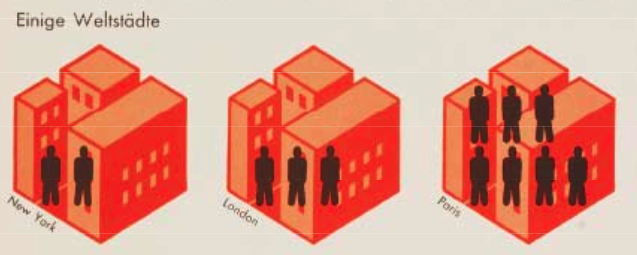
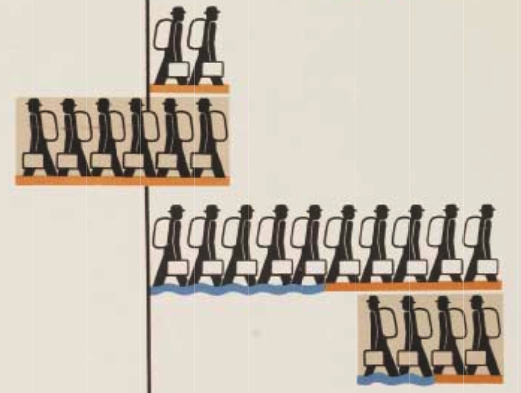
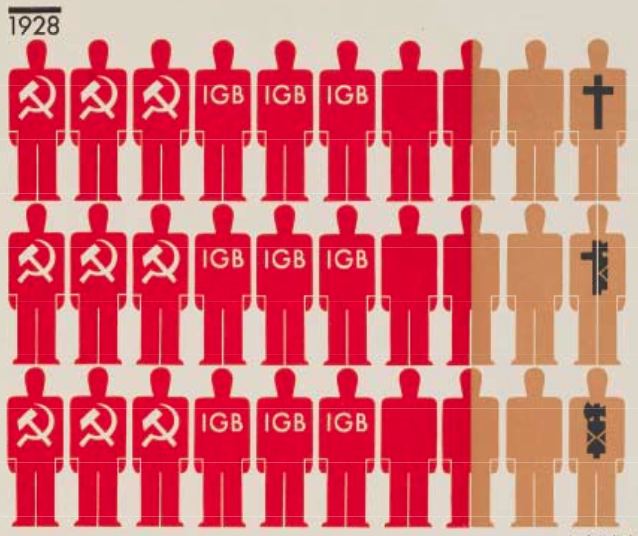
A sampling of maps and graphs from the Atlas follows, and a few more useful isotype resources can be found way at the end.
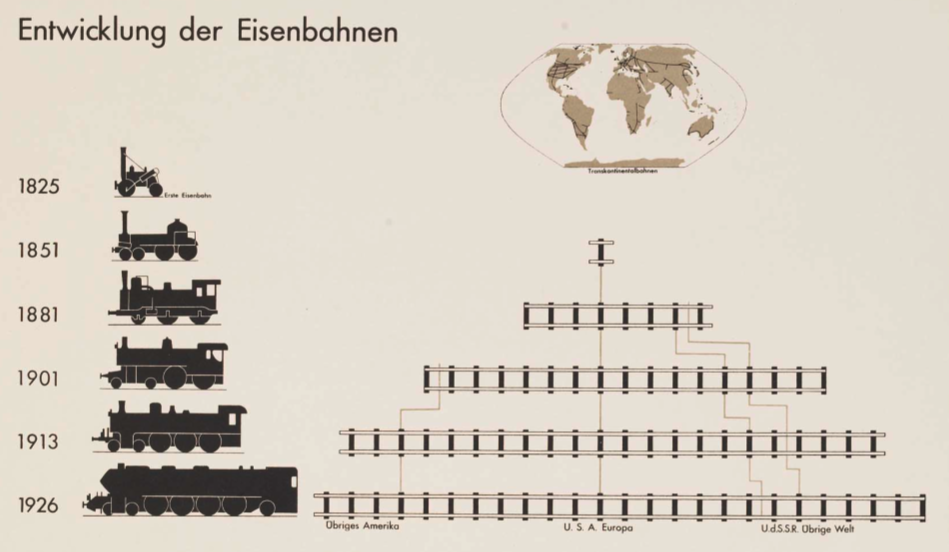
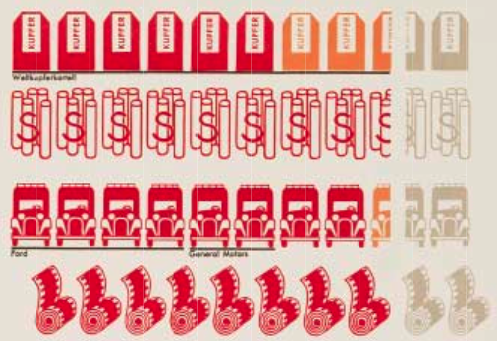
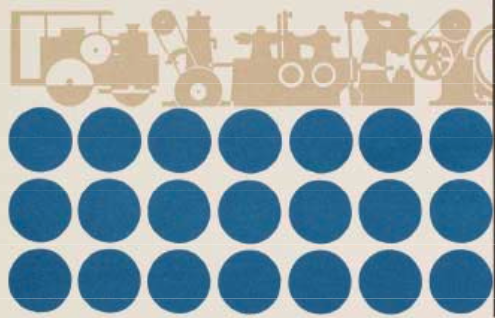
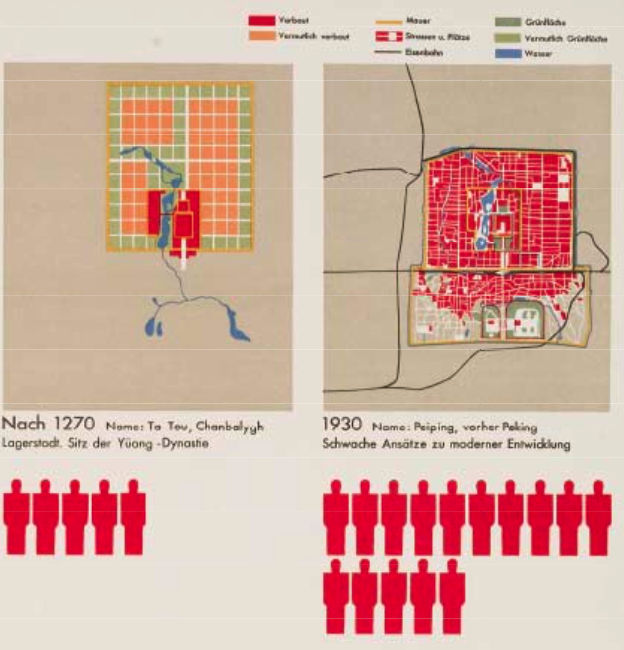
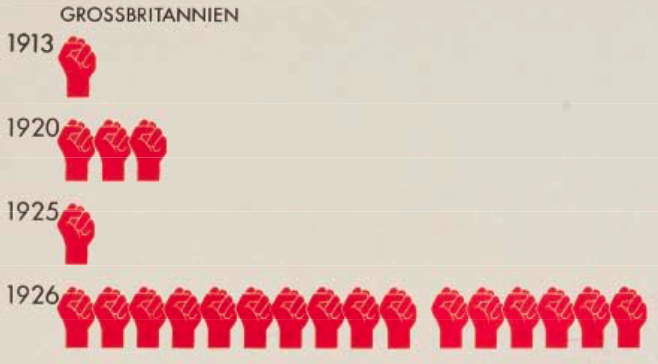
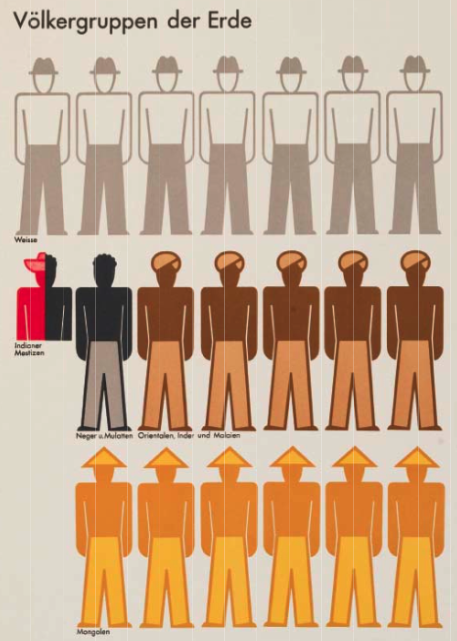

•••••
A few interesting isotype resources:
The Isotype Institute documents the history of isotype and has much useful information.
A snazzy discussion of isotype done up by mixing isotype and text is Modern Hieroglyphics. (PDF)
Ellen Lupton reviews the history and significance of isotype in her article “Reading Isotype.” (PDF)

Neurath and the Vienna Method of Picture Statistics (PDF). A chapter out of an e-book called Speaking of Graphics An Essay on Graphicacy in Science, Technology and Business by Paul J. Lewi. Seems like a nice overview of the history of isotype and its characteristics.
The DADA Companion has much information on design and art related to isotype. Search for “isotype” or “Neurath.”
A new book to be published in April of 2009 is called The Transformer: Principles of Making Isotype Charts by Marie Neurath and Robin Kinross.
Austin Kleon’s blog on graphic design has a nice posting on isotype, comics, and information graphics design. Search the blog for other isotype references.
The web magazine Mute has a feature called The Dutch Are Weeping in Four Universal Pictorial Languages At Least that reviews a series of contemporary exhibits that focus on isotype and related ideas. One exhibit called After Neurath has a significant amount of information and links.
The New York Times summarized 2007 US and Coalition member deaths in Iraq in a isotype-esque chart (click for larger version):

Stroom De Haag writes (in the online magazine Archined) about Neurath as the “grandfather of open source.”





 Making Maps: DIY Cartography
